Shrinkflation proves to be a persistent FMCG disease
Adformatie has already shown that sneaky price increases feed distrust. Nevertheless, the Consumers' Association again finds dozens of supermarket cases.
Make your own Pepsi with Sodastream, is the Netherlands going to do that en masse? For Adformatie we dived into the figures, and they tell a different story.
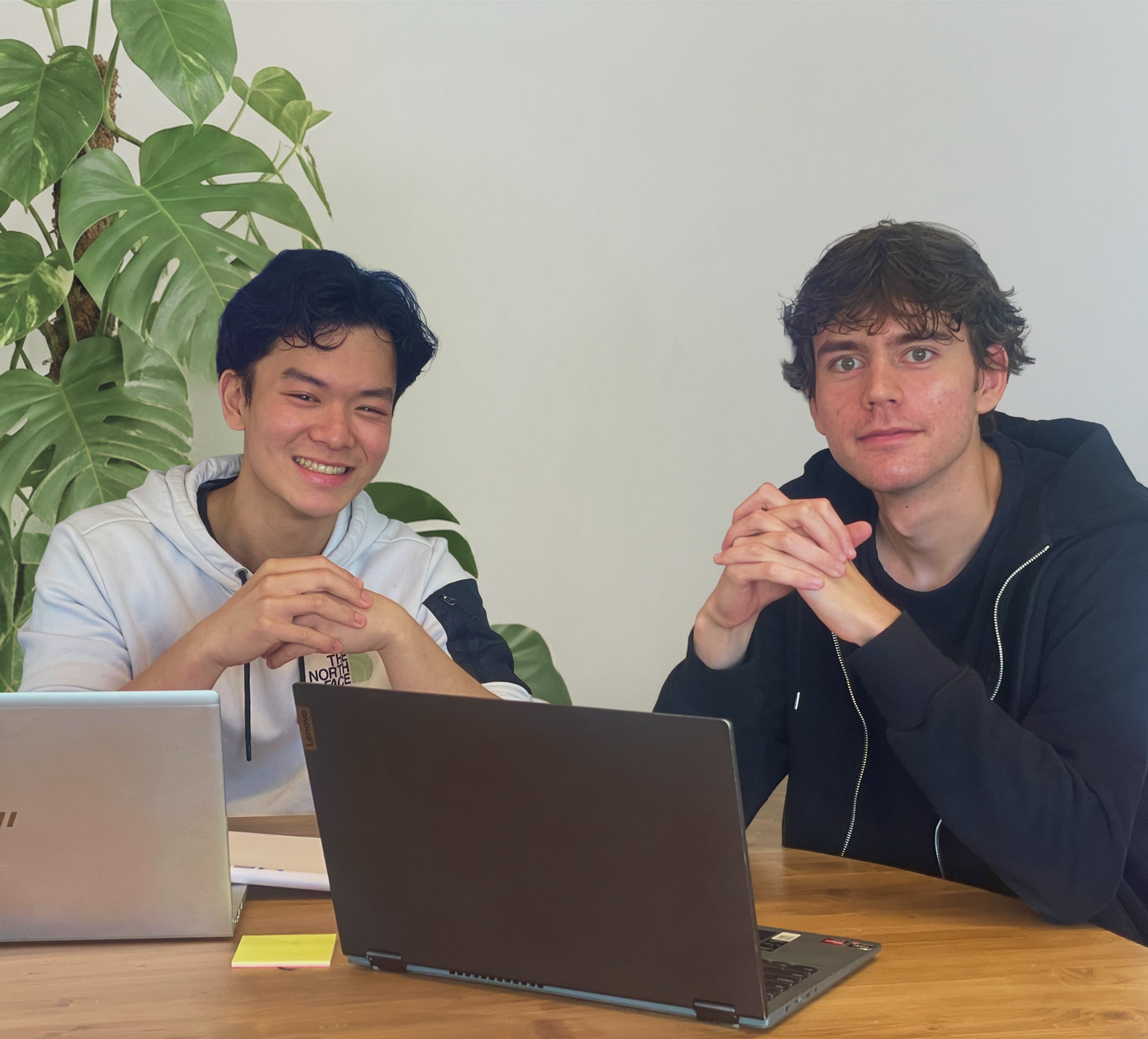
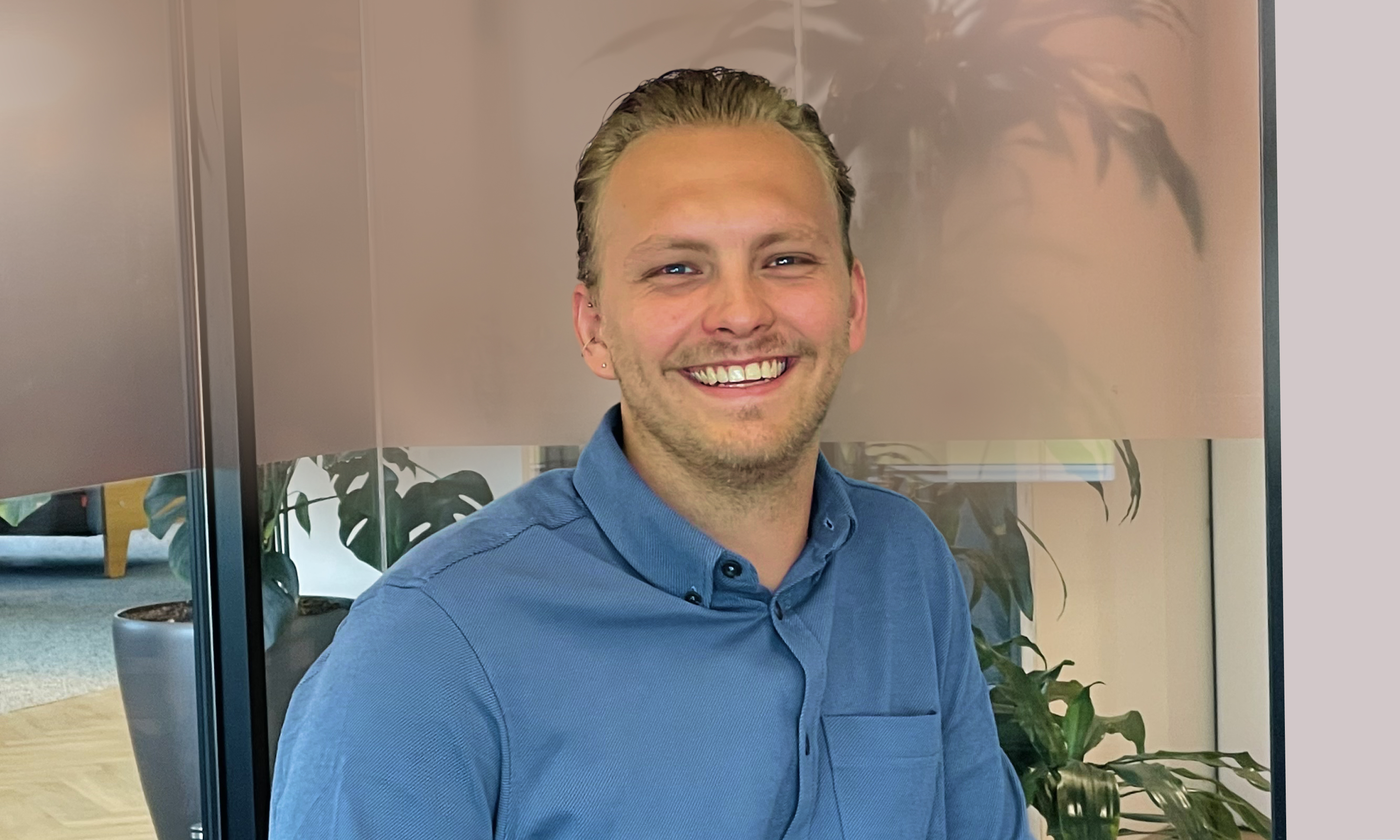
Their internship has ended, but Thomas and Jia Jun are staying on with us a while longer. We could not be happier about it.
You may remember them: our interns. Former interns now, really, because their internship has already come to an end. Time flies! Happily, Thomas Venhorst and Jia Jun Mak are staying on with us for a while, and we could not be happier about it.
Their infectious energy and their enthusiasm for AI and innovation make them a great addition to the team.
Welcome (for a little longer) to MSI, gentlemen!
IN THE NEWS8 July 2026
Listener remains loyal to the station in radio transfers
What do the transfers of Jan-Willem, Jeroen and Mattie & Marieke do to the listener? Our research for Adformatie shows: it remains loyal to the channel.
One in three young adults applies less sunscreen due to the high costs. Read the striking conclusions from our research.
One in three young people apply less sunscreen due to inflation Knowledge about shelf life and correct use of the cream is insufficient
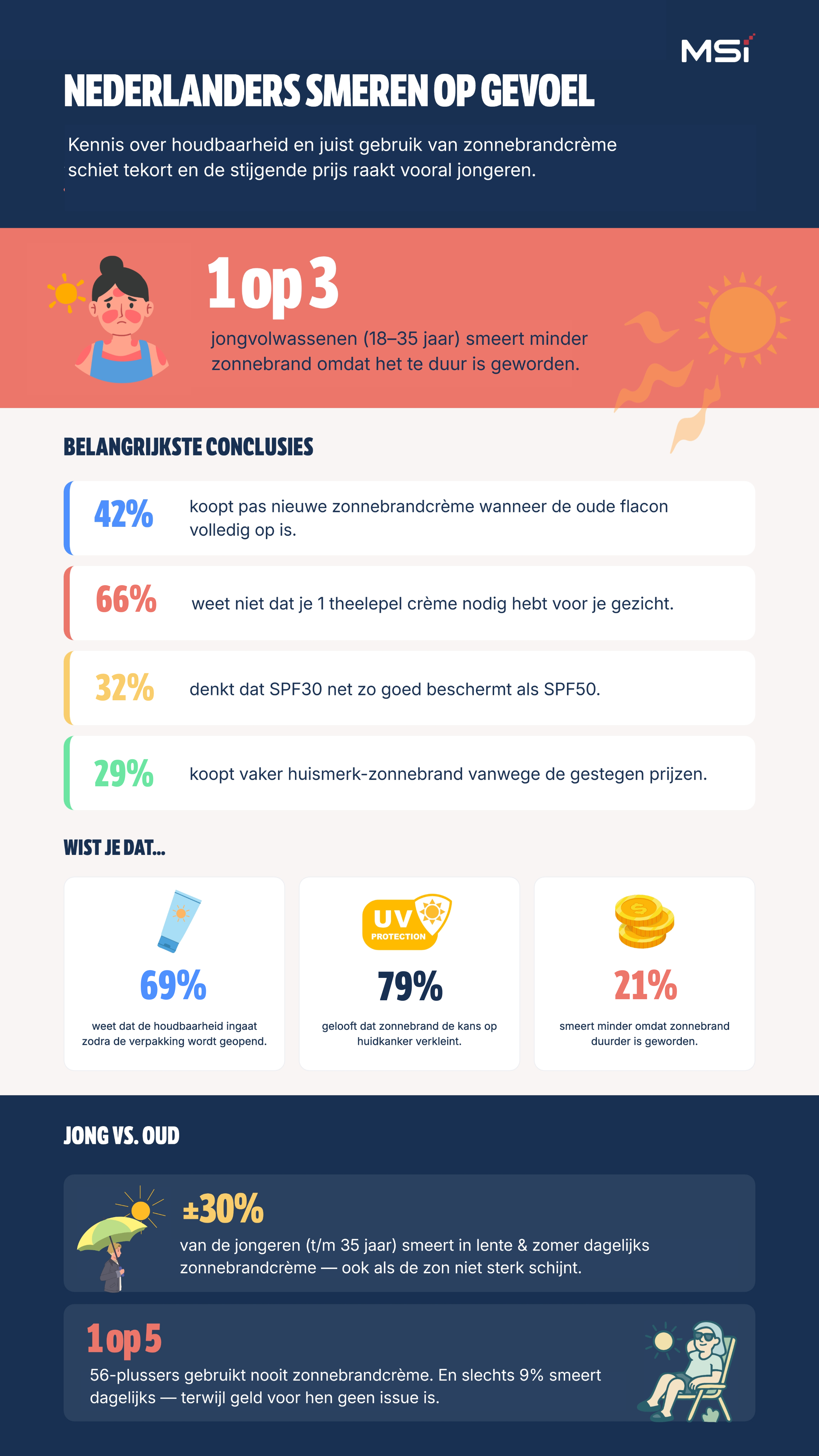
Schiphol, 25 June 2026 – One in three young adults (between the ages of 18 and 35) apply less sunscreen because sunscreen is (too) expensive. Money is not an issue among older Dutch people. However, that does not mean that they protect themselves well to reduce the risk of skin cancer. On the contrary: about twenty percent of people aged 56+ say they never use sunscreen.
These are some striking conclusions from a new market study by MSI-ACI Europe. This representative survey of 1,585 adult Dutch people mapped out the knowledge about and use of sunscreen.
Lubrication 'by feeling'
This knowledge, despite all the information campaigns, still seems to be in a bad state. Many Dutch people use sunscreen much longer than recommended. More than forty percent indicate that they only buy new sunscreen when the old one is completely finished, while at the same time almost seventy percent know that the shelf life starts as soon as the package is opened. As a result, there is a risk that people will use products that do not protect as well as thought.
It also becomes clear that we often use sunscreen 'by feeling'. The recommended amount – such as a teaspoon for the face – is not known to two-thirds of the Dutch people. Also, a large proportion of the participants in the study cannot properly explain what SPF (sun protection factor) means.
Save on protection
It is striking that price has a direct influence on the use of sunscreen. More than twenty percent of the respondents indicate that they use the product less because it has become (too) expensive. Among young people and young adults (respondents between the ages of 18 and 35), there will be even more cutbacks. 33 percent of Dutch people between 18 and 25 apply less because of the high price of sunscreen; Among 26 to 35-year-olds, this applies to 32 percent.
This is worrying, because sufficient and regular lubrication is essential for protection against harmful UV radiation. In addition, almost a third of the Dutch buy more often sunscreen from a private label because of the increased prices. This share is slightly higher among 18-35 year-olds.
Older people versus young people
Anyone who thinks that older Dutch people, aged 56 and older, apply sunscreen better than young people is wrong. At least, that is the picture that emerges from the research. Although money is not an issue, they even apply less frequently and relatively more often only in the summer than their younger compatriots.
While about thirty percent of young people up to the age of 35 use sunscreen daily in the spring and summer, even when the sun is not shining brightly, this is only the case for nine percent among the over-56s. Remarkable, since almost everyone is aware that sunscreen can reduce the risk of skin cancer. But in many cases acting on that is not an option. In fact, one in five people aged 56+ never uses sunscreen.
Over MSI-ACI Europe
MSI-ACI Europe is a European market research agency that maps consumer behavior. The company has 25 years of international experience. The company has branches at Schiphol, Belgrade and London.
IN THE NEWS9 June 2026
96% sometimes feel cheated in the supermarket
Same packaging, less content. Our research for Adformatie shows that almost all messengers sometimes feel misled in the supermarket.
Loneliness does not peak among the elderly, but among young people
Not people over 65 but young adults aged 18 to 25 are the loneliest group in the Netherlands. And summer often makes it harder for them.
Most people associate loneliness with old age. Our latest research in the Netherlands shows the opposite.
The loneliest age group in the country is not 65-plus. It is 18 to 25.
Almost 7 in 10 young adults say they feel lonely at least sometimes. Among the over-65s, this is more than 1 in 4.
Loneliness steadily decreases with every age group in between. That is at odds with almost every story we tell about loneliness. We see it as an aging problem, something we grow into instead of from.
Summer adds another layer to that. We asked everyone who feels lonely how the season affects that. Counting on all lonely adults, more say that the season makes it easier than harder. Sunlight, longer days, more reasons to go outside.
This changes with the youngest. Nearly 4 in 10 lonely adults aged 18 to 25 say that summer actually makes it harder, not lighter.
Why is not difficult to imagine. The season comes with a script: holidays with people, festivals with people, photos that prove you've spent the summer with people. If that doesn't fit your life, the gap is harder to ignore.
For many young people, summer is not a breather. It is actually heavier.
TEAMJune 2026
Welcome to the team: Wessel
Our sales team in Amsterdam is being strengthened. Meet Wessel.
Our sales team in Amsterdam is being strengthened. Wessel brings a contagious energy and a fresh perspective, and we are happy with that. We look forward to working with him.
IN THE NEWS1 June 2026
The biggest World Cup annoyances of the Dutch
Almost half of the Dutch people look up to the 'football' surrounding the World Cup. Read what bothers men, women and Gen Z.
Major World Cup '26 irritation: The Netherlands looks up to 'football' Man annoyed by schwalbes, woman by spitting, Gen Z by shirts
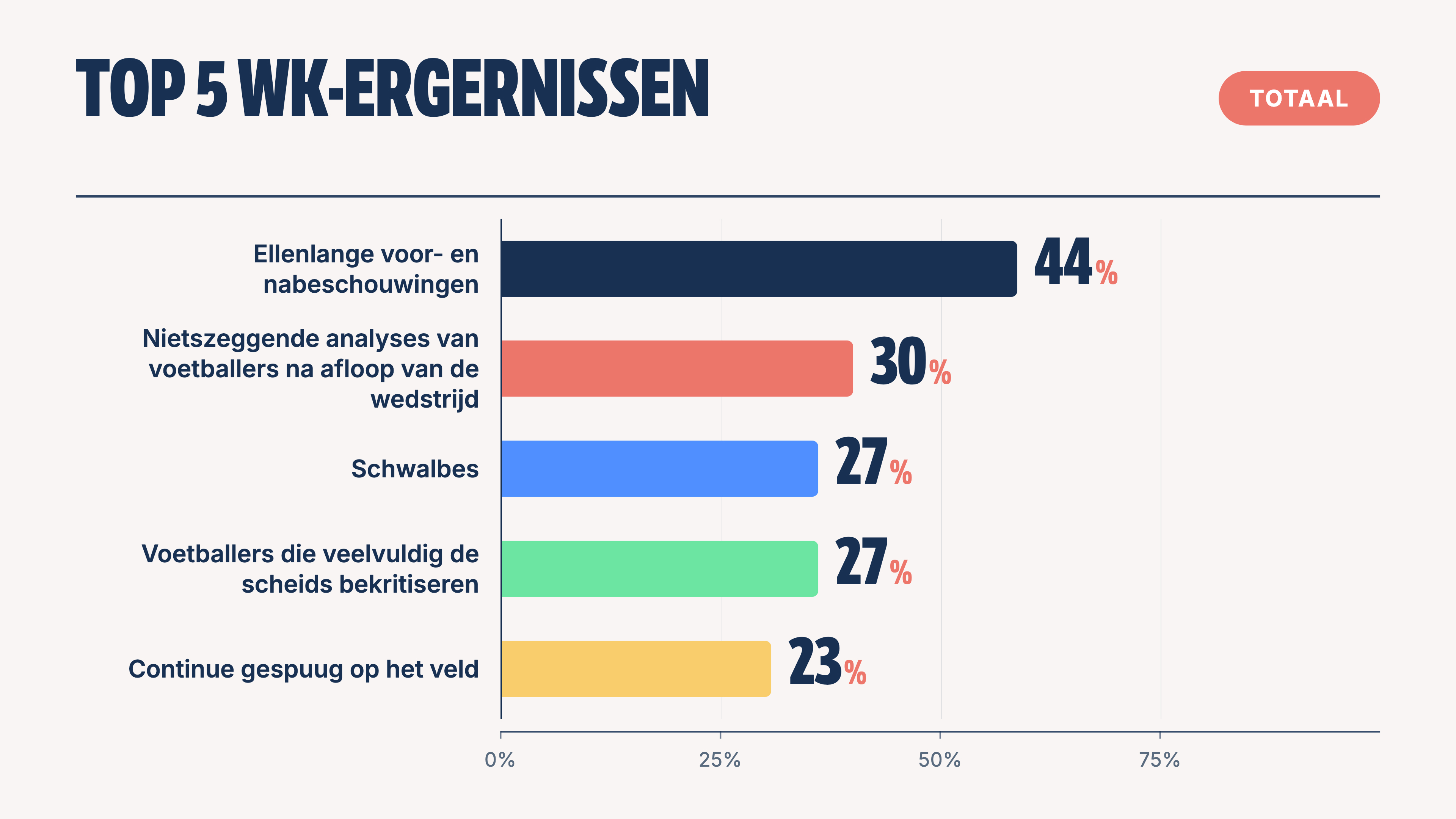
Schiphol, 1 June 2026 – Almost half of the Dutch people are looking forward to the pre- and post-match reviews surrounding the approaching World Cup. Yet the 'irritation figures' among men, women and different generations around the World Cup vary considerably. For example, men are remarkably more often annoyed by schwalbes and for women the continuous fluming of football players is a thorn in the side.
This is evident from a representative survey of 1585 adult Dutch people by market research agency MSI-ACI. Viewing behavior and annoyances on and around the American soccer fields were mapped.
Long-winded TV analyses
The length of the TV analyses is the biggest frustration of the upcoming sporting event: 44 percent of the Dutch are looking forward to this. 'I'm annoyed to death by the about football. I used to turn off the sound, but nowadays I don't watch at all', says one respondent.
Especially middle-aged and older people are tired of the talk shows. While 'only' 29 percent in five 18- to 25-year-olds are bothered by the long-winded pre- and post-sitting, this is almost sixty percent among the over-55s.
Schwalbes frustrate man, spitting irritates woman
On the field, the sexes compete for their own irritations. Dummy diving is particularly annoying to men: 34 percent are bothered by schwalbes, compared to 19 percent of women. 'I am increasingly annoyed by the epilepsy that prevails among football players!', writes one respondent. Another sneers: 'Football nowadays is kicking each other into the hospital instead of a nice match.'
For women, unhygienic behaviour is more often an eyesore than average: the continuous spitting on the grass is a major source of annoyance for 27 percent of women, compared to 18 percent of men. The youngest generation, Gen Z (18-25 years old), mainly looks with an aesthetic eye and is visibly more often bothered by the 'ugly' World Cup shirts of the national teams than older generations.
No desire for night work
According to the research, we cannot call it a frustration. But the fact that the World Cup takes place in North America is a barrier due to the time difference. 80 percent of the Dutch refuse to watch every match of the Dutch team live if they have to get out of bed at night. Among the hard core of night owls who do watch live, men dominate: 29 percent of them do not miss a single game, compared to only 12 percent of women.
Over MSI-ACI Europe
MSI-ACI Europe is a European market research agency that maps consumer behavior. The company has 25 years of international experience and has offices at Schiphol, Belgrade and London.
TEAM
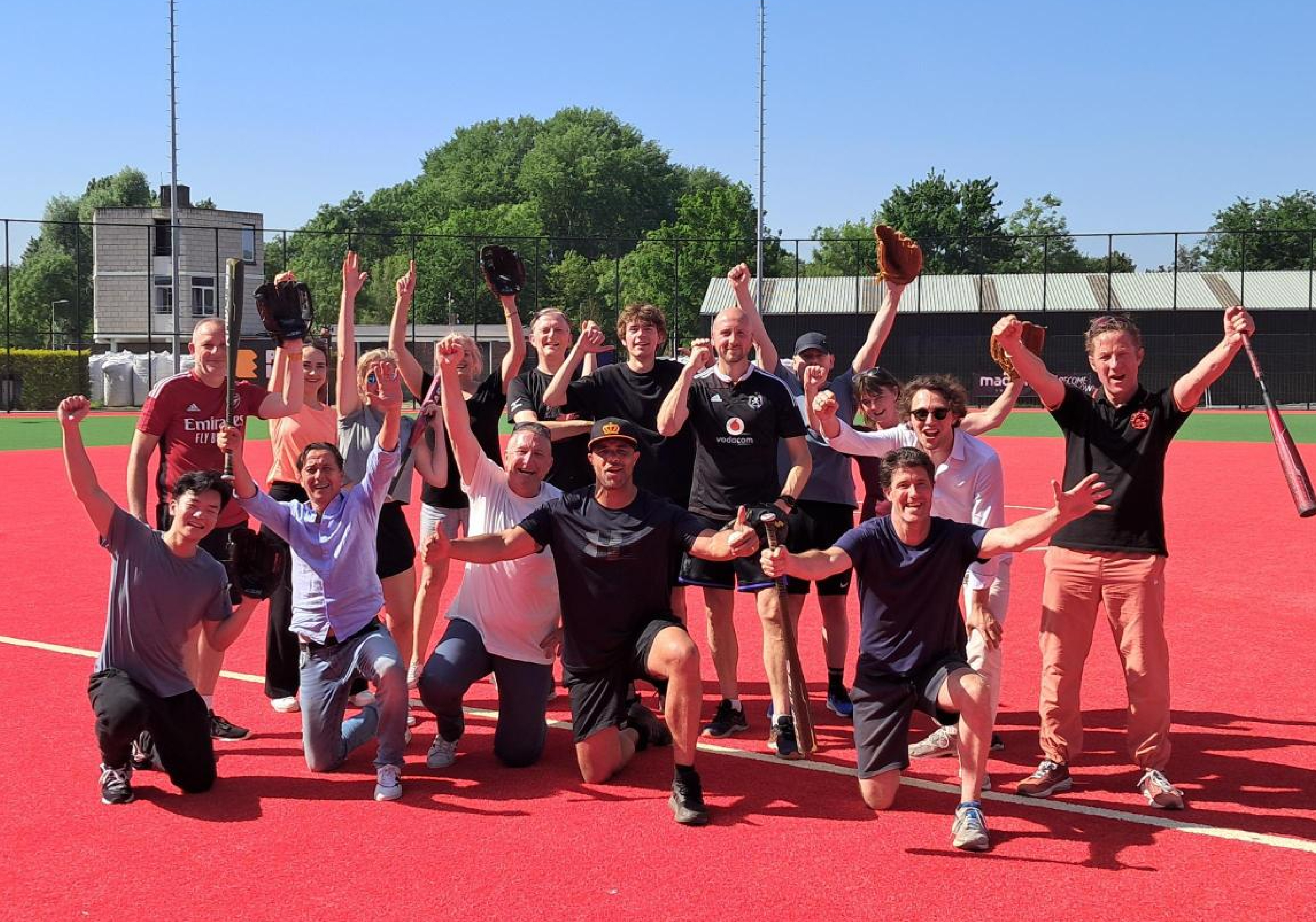
Team outing: spreadsheets exchanged for baseball bats
The MSI-team traded spreadsheets for baseball bats, with a clinic at Pirates Amsterdam and a BBQ at the end.
The MSI team traded spreadsheets for baseball bats.
We went to Pirates Amsterdam for an afternoon clinic with Percy Isenia. Percy turned out to be exactly what you want from a coach: sharp, patient and genuinely fun to learn from.
There were injuries... Certainly. But no one left by ambulance, so we call it a success. 😀
We ended with a BBQ that more than made up for the bruises. Good food, good company and just a very nice afternoon.
One for the books.
RESEARCHMay 2026
Two generations, two worlds: how young and old experience AI very differently
90% of young people use AI, compared to 30% of those over 65. But the gap goes beyond use.
We now measure how the Dutch think about AI four times a year. The age difference is the most striking every time.
Of the 18 to 25-year-olds, 90% use AI in their private lives. This is 30% of the over-65s. But the gap goes beyond use. It is a difference in attitude: 54% of young people are positive about AI, compared to 19% of the over-65s. And where 37% of young people consider AI as a social contact, someone to talk to, this is 8% among the elderly.
At the same time, we see exactly the opposite with concerns. 74% of people over 65 are concerned about cybercrime caused by AI, compared to 42% of young people. And 85% of the elderly are worried about deepfakes, versus 59% of the youngest group.
It is not the case that one is right and the other is wrong. Young people see the opportunities, older people see the risks and both are real. But it does mean that a one-size-fits-all approach to AI policy and communication doesn't work.
RESEARCHApril 2026
Almost half of AI users use it when making purchases
47% of AI users use it when making purchasing decisions: comparing products, weighing pros and cons, and looking for deals.
We asked more than 500 Dutch people about their AI use. Of the people who use AI privately, 47% use it regularly or occasionally in purchasing decisions. Another 26% rarely do so and only 27% never do it.
What they do with it: 46% compare products, 44% have advantages and disadvantages explained, and 41% look for price comparisons and deals with it. Instead of going through ten review pages themselves, they let AI do the preliminary work.
The difference between generations is striking. Among 26- to 35-year-olds, 60% actively use AI when making purchases. For people over 65, this is 31%. And men do it more often than women: 52% versus 42%.
One side note: 37% say that AI advice has a major influence on the final choice. But in half of them, that influence is "moderate." AI helps orientate. The final word is still from the consumer.
For brands, this means being visible in AI answers is becoming just as important as being found in Google.
IN THE NEWSMarch 5, 2025
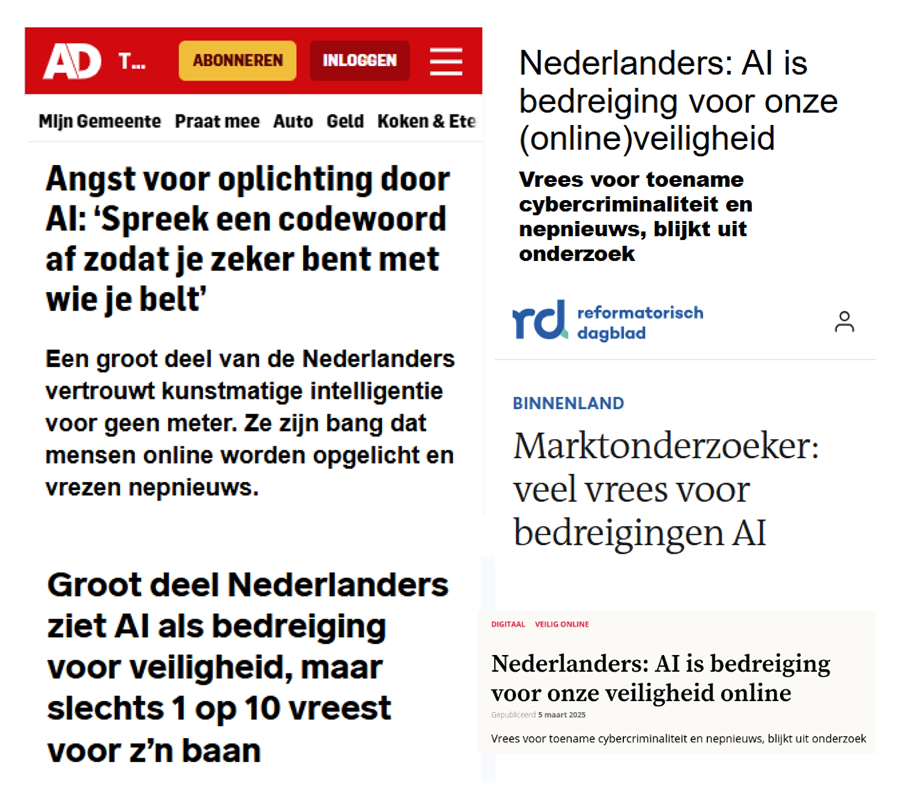
The Dutch: AI is a threat to our (online) security
The first AI Barometer: sixty percent fear more cybercrime and two-thirds an increase in fake news. The call for regulation is great.
The Dutch: AI is a threat to our (online) security Fear of increase in cybercrime and fake news, research shows
Schiphol, 5 March 2025 – A large proportion of Dutch people see AI as a threat to our (online) security. For example, sixty percent are afraid that cybercrime will increase and two-thirds fear an increase in the spread of fake news. The call for active involvement from the government and the European Union is great.
This is evident from a representative survey of 1,000 adult Dutch people by market research agency MSI-ACI Europe. This AI Barometer, the first in a series, examined the sentiment surrounding artificial intelligence, in private life, at work and at school.
Abuse lurking
The Dutch see dangers in all kinds of areas, especially around online fraud, reliability of information and privacy. For example, 72 percent are concerned about misleading information by deepfakes. Only 9 percent agree with the statement 'AI makes my life a little safer'. Fear and skepticism are greatest among 56+ people.
Because of these concerns, an overwhelming majority are in favor of enforcement and regulation: 68 percent believe that the government should play an active role in regulating AI developments.
AI also contributes to safety
Weighing up all opportunities and threats, 32 percent are still positive about the possibilities of AI and more than 40 percent take a neutral position. Gen Z and millennials in particular see the pluses. Remarkably, 36 percent would consider handing over personal data for AI applications in exchange for security.
Little knowledge
Almost half of the Dutch use AI in their private lives, but only 18 percent do so daily or regularly. No more than 21 percent say they know what artificial intelligence entails.
Professor: personal contact is essential
Professor of Computer Science at the Vrije Universiteit Amsterdam, Felienne Hermans, calls the concerns well-founded, using WhatsApp fraud as an example. At the same time, she emphasizes that AI can never replace something essential: human contact. "Whether it's a smile, a letter or an ancient book; Contact with another human being is the essence of life."
The AI Barometer is a periodic, representative survey among Dutch people aged 18 and older, in which the 'temperature' of Dutch society is measured around AI applications in the private sphere, at work and within education.
Free quote
1/6
01What would you like to know?
One sentence is enough, or click on something below.
02Who do you want to know that from?
The group of people whose opinion you want to hear.
03How many people do you want to interview?
people
+
1001.0002.5005.000+
05What is the provisional schedule?
06How can we reach you?
07Do you have any additional comments? (Optional)
Press Enter
No strings attached. We will respond within 1 working day.
Overview
Your answers will appear here as you complete the application.
Request received.
One of our consultants will contact you within one working day.
Make another application?
We use cookies to make our website function and improve your experience.
Read our cookie policy